
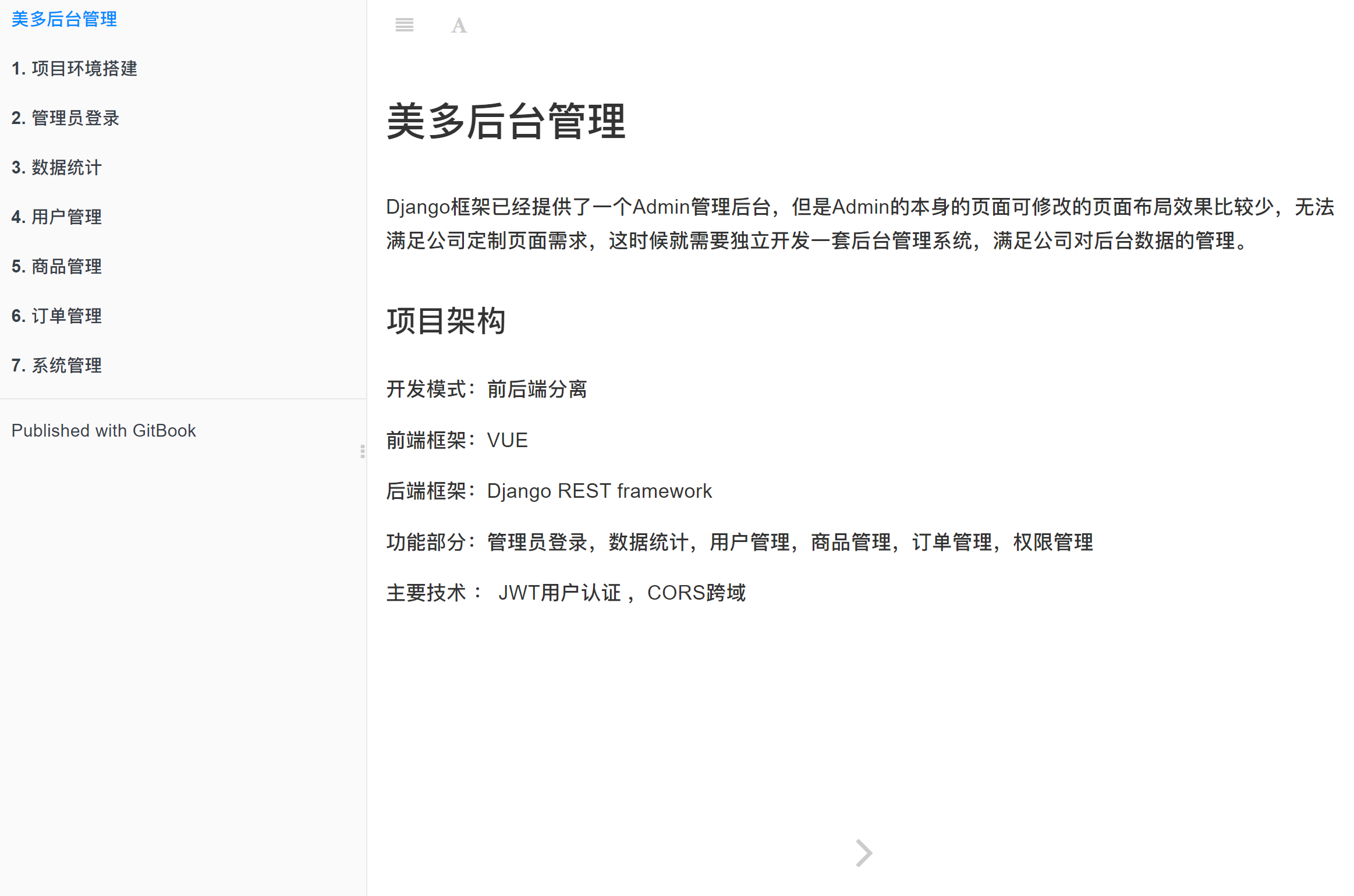
本系列文章md笔记(已分享)主要讨论django商城项目相关知识。项目利用Django框架开发一套前后端不分离的商城项目(4.0版本)含代码和文档。功能包括前后端不分离,方便SEO。采用Django + Jinja2模板引擎 + Vue.js实现前后端逻辑,Nginx服务器(反向代理)Nginx服务器(静态首页、商品详情页、uwsgi服务器(美多商场业务场景),后端服务:MySQL、Redis、Celery、RabbitMQ、Docker、FastDFS、Elasticsearch、Crontab,外部接口:容联云、QQ互联、支付宝。
全套笔记和代码自取在个人博客: https://www.666mao.com/sku?skuId=2
感兴趣的小伙伴可以自取哦,欢迎大家点赞转发~
共 11 章,132 子模块
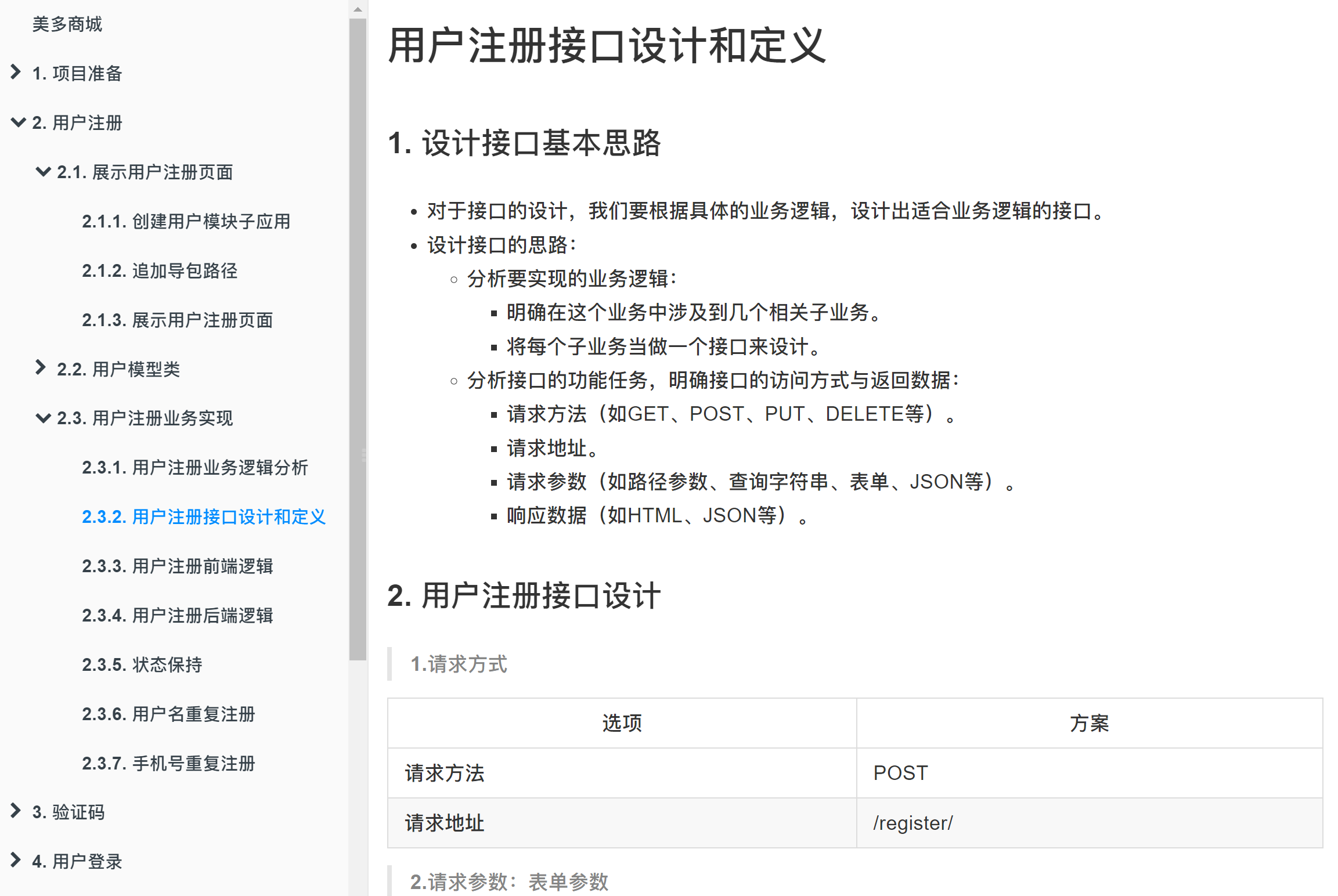
用户注册业务实现
用户注册前端逻辑
为了学会使用Vue.js的双向绑定实现用户的交互和页面局部刷新效果。
1. 用户注册页面绑定Vue数据
1.准备div盒子标签
......
2.register.html
- 绑定内容:变量、事件、错误提示等
2. 用户注册JS文件实现用户交互
1.导入Vue.js库和ajax请求的库
2.准备register.js文件
绑定内容:变量、事件、错误提示等
let vm = new Vue(https://blog.csdn.net/m0_72919230/article/details/{
    el: '#app',
    // 修改Vue读取变量的语法
    delimiters: ['[[', ']]'],
    data: https://blog.csdn.net/m0_72919230/article/details/{
        username: '',
        password: '',
        password2: '',
        mobile: '',
        allow: '',
        error_name: false,
        error_password: false,
        error_password2: false,
        error_mobile: false,
        error_allow: false,
        error_name_message: '',
        error_mobile_message: '',
    },
    methods: https://blog.csdn.net/m0_72919230/article/details/{
        // 校验用户名
        check_username()https://blog.csdn.net/m0_72919230/article/details/{
        },
        // 校验密码
        check_password()https://blog.csdn.net/m0_72919230/article/details/{
        },
        // 校验确认密码
        check_password2()https://blog.csdn.net/m0_72919230/article/details/{
        },
        // 校验手机号
        check_mobile()https://blog.csdn.net/m0_72919230/article/details/{
        },
        // 校验是否勾选协议
        check_allow()https://blog.csdn.net/m0_72919230/article/details/{
        },
        // 监听表单提交事件
        on_submit()https://blog.csdn.net/m0_72919230/article/details/{
        },
    }
});
3.用户交互事件实现
methods: https://blog.csdn.net/m0_72919230/article/details/{
    // 校验用户名
    check_username()https://blog.csdn.net/m0_72919230/article/details/{
        let re = /^[a-zA-Z0-9_-]{5,20}$/;
        if (re.test(this.username)) https://blog.csdn.net/m0_72919230/article/details/{
            this.error_name = false;
        } else https://blog.csdn.net/m0_72919230/article/details/{
            this.error_name_message = '请输入5-20个字符的用户名';
            this.error_name = true;
        }
    },
    // 校验密码
    check_password()https://blog.csdn.net/m0_72919230/article/details/{
        let re = /^[0-9A-Za-z]{8,20}$/;
        if (re.test(this.password)) https://blog.csdn.net/m0_72919230/article/details/{
            this.error_password = false;
        } else https://blog.csdn.net/m0_72919230/article/details/{
            this.error_password = true;
        }
    },
    // 校验确认密码
    check_password2()https://blog.csdn.net/m0_72919230/article/details/{
        if(this.password != this.password2) https://blog.csdn.net/m0_72919230/article/details/{
            this.error_password2 = true;
        } else https://blog.csdn.net/m0_72919230/article/details/{
            this.error_password2 = false;
        }
    },
    // 校验手机号
    check_mobile()https://blog.csdn.net/m0_72919230/article/details/{
        let re = /^1[3-9]\d{9}$/;
        if(re.test(this.mobile)) https://blog.csdn.net/m0_72919230/article/details/{
            this.error_mobile = false;
        } else https://blog.csdn.net/m0_72919230/article/details/{
            this.error_mobile_message = '您输入的手机号格式不正确';
            this.error_mobile = true;
        }
    },
    // 校验是否勾选协议
    check_allow()https://blog.csdn.net/m0_72919230/article/details/{
        if(!this.allow) https://blog.csdn.net/m0_72919230/article/details/{
            this.error_allow = true;
        } else https://blog.csdn.net/m0_72919230/article/details/{
            this.error_allow = false;
        }
    },
    // 监听表单提交事件
    on_submit()https://blog.csdn.net/m0_72919230/article/details/{
        this.check_username();
        this.check_password();
        this.check_password2();
        this.check_mobile();
        this.check_allow();
        if(this.error_name == true || this.error_password == true || this.error_password2 == true
            || this.error_mobile == true || this.error_allow == true) https://blog.csdn.net/m0_72919230/article/details/{
            // 禁用表单的提交
            window.event.returnValue = false;
        }
    },
}
4. 知识要点
-
Vue绑定页面的套路
- 导入Vue.js库和ajax请求的库
- 准备div盒子标签
- 准备js文件
- html页面绑定变量、事件等
- js文件定义变量、事件等
-
错误提示
- 如果错误提示信息是固定的,可以把错误提示信息写死,再通过v-show控制是否展示
- 如果错误提示信息不是固定的,可以使用绑定的变量动态的展示错误提示信息,再通过v-show控制是否展示
-
修改Vue变量的读取语法,避免和Django模板语法冲突
- delimiters: ['[[', ']]']
-
后续的页面中如果有类似的交互和刷新效果,也可按照此套路实现
用户注册后端逻辑
1. 接收参数
提示:用户注册数据是从注册表单发送过来的,所以使用**request.POST**来提取。
username = request.POST.get('username')
password = request.POST.get('password')
password2 = request.POST.get('password2')
mobile = request.POST.get('mobile')
allow = request.POST.get('allow')
2. 校验参数
前端校验过的后端也要校验,后端的校验和前端的校验是一致的
# 判断参数是否齐全


# 判断用户名是否是5-20个字符


# 判断密码是否是8-20个数字


# 判断两次密码是否一致


# 判断手机号是否合法


# 判断是否勾选用户协议
# 判断参数是否齐全


if not all([username, password, password2, mobile, allow]):
    return http.HttpResponseForbidden('缺少必传参数')


# 判断用户名是否是5-20个字符


if not re.match(r'^[a-zA-Z0-9_-]{5,20}$', username):
    return http.HttpResponseForbidden('请输入5-20个字符的用户名')


# 判断密码是否是8-20个数字


if not re.match(r'^[0-9A-Za-z]{8,20}$', password):
    return http.HttpResponseForbidden('请输入8-20位的密码')


# 判断两次密码是否一致


if password != password2:
    return http.HttpResponseForbidden('两次输入的密码不一致')


# 判断手机号是否合法


if not re.match(r'^1[3-9]\d{9}$', mobile):
    return http.HttpResponseForbidden('请输入正确的手机号码')


# 判断是否勾选用户协议


if allow != 'on':
    return http.HttpResponseForbidden('请勾选用户协议')
提示:这里校验的参数,前端已经校验过,如果此时参数还是出错,说明该请求是非正常渠道发送的,所以直接禁止本次请求。
3. 保存注册数据
- 这里使用Django认证系统用户模型类提供的 create_user() 方法创建新的用户。
- 这里 create_user() 方法中封装了 set_password() 方法加密密码。
# 保存注册数据


try:
    User.objects.create_user(username=username, password=password, mobile=mobile)
except DatabaseError:
    return render(request, 'register.html', https://blog.csdn.net/m0_72919230/article/details/{'register_errmsg': '注册失败'})


# 响应注册结果


return http.HttpResponse('注册成功,重定向到首页')
如果注册失败,我们需要在页面上渲染出注册失败的提示信息。
{% if register_errmsg %}
    https://blog.csdn.net/m0_72919230/article/details/{{ register_errmsg }}
{% endif %}
4. 响应注册结果
- 重要提示:注册成功,重定向到首页
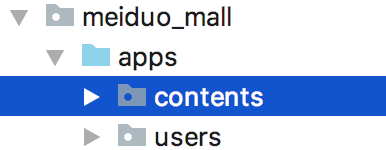
1.创建首页广告应用:contents
$ cd ~/projects/meiduo_project/meiduo_mall/meiduo_mall/apps
$ python ../../manage.py startapp contents
2.定义首页广告视图:IndexView
class IndexView(View):
    """首页广告"""
    def get(self, request):
        """提供首页广告界面"""
        return render(request, 'index.html')
3.配置首页广告路由:绑定命名空间
# contents


url(r'^', include('contents.urls', namespace='contents')),
# 首页广告 url(r'^$', views.IndexView.as_view(), name='index'),
4.测试首页广告是否可以正常访问
http://127.0.0.1:8000/
5.响应注册结果:重定向到首页
# 响应注册结果


return redirect(reverse('contents:index'))
5. 知识要点
-
后端逻辑编写套路:
- 业务逻辑分析
- 接口设计和定义
- 接收和校验参数
- 实现主体业务逻辑
- 响应结果
-
注册业务逻辑核心思想:
- 保存用户注册数据
状态保持
说明:
- 如果需求是注册成功后即表示用户登入成功,那么此时可以在注册成功后实现状态保持
- 如果需求是注册成功后不表示用户登入成功,那么此时不用在注册成功后实现状态保持
美多商城的需求是:注册成功后即表示用户登入成功
1. login()方法介绍
-
用户登入本质:
- 状态保持
- 将通过认证的用户的唯一标识信息(比如:用户ID)写入到当前浏览器的 cookie 和服务端的 session 中。
-
login()方法:
- Django用户认证系统提供了login()方法。
- 封装了写入session的操作,帮助我们快速登入一个用户,并实现状态保持。
-
login()位置:
- django.contrib.auth.__init__.py文件中。
login(request, user, backend=None)
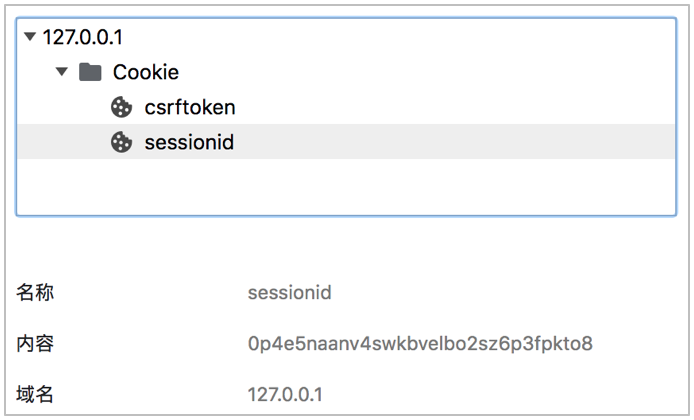
4. 状态保持 session 数据存储的位置:**Redis数据库的1号库**
```python
SESSION_ENGINE = "django.contrib.sessions.backends.cache"
SESSION_CACHE_ALIAS = "session"
2. login()方法登入用户
# 保存注册数据


try:
    user = User.objects.create_user(username=username, password=password, mobile=mobile)
except DatabaseError:
    return render(request, 'register.html', https://blog.csdn.net/m0_72919230/article/details/{'register_errmsg': '注册失败'})


# 登入用户,实现状态保持


login(request, user)


# 响应注册结果


return redirect(reverse('contents:index'))
3. 查看状态保持结果

4. 知识要点
- 登入用户,并实现状态保持的方式:login(request, user, backend=None)
用户名重复注册
1. 用户名重复注册逻辑分析
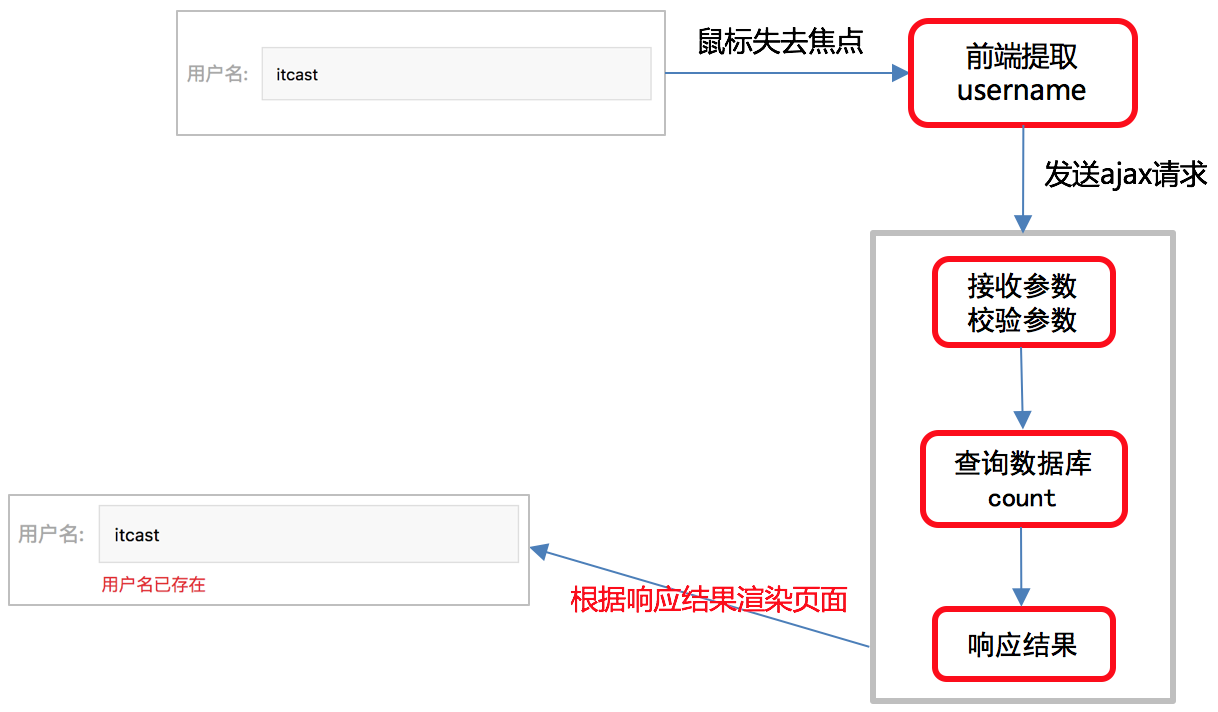
2. 用户名重复注册接口设计和定义
1.请求方式
选项 方案 请求方法 GET 请求地址 /usernames/(?P[a-zA-Z0-9_-]{5,20})/count/ 2.请求参数:路径参数
参数名 类型 是否必传 说明 username string 是 用户名 3.响应结果:JSON
响应结果 响应内容 code 状态码 errmsg 错误信息 count 记录该用户名的个数 3. 用户名重复注册后端逻辑
class UsernameCountView(View):
    """判断用户名是否重复注册"""
    def get(self, request, username):
        """
        :param request: 请求对象
        :param username: 用户名
        :return: JSON
        """
        count = User.objects.filter(username=username).count()
        return http.JsonResponse(https://blog.csdn.net/m0_72919230/article/details/{'code': RETCODE.OK, 'errmsg': 'OK', 'count': count})
4. 用户名重复注册前端逻辑
if (this.error_name == false) https://blog.csdn.net/m0_72919230/article/details/{
    let url = '/usernames/' + this.username + '/count/';
    axios.get(url,https://blog.csdn.net/m0_72919230/article/details/{
        responseType: 'json'
    })
        .then(response => https://blog.csdn.net/m0_72919230/article/details/{
            if (response.data.count == 1) https://blog.csdn.net/m0_72919230/article/details/{
                this.error_name_message = '用户名已存在';
                this.error_name = true;
            } else https://blog.csdn.net/m0_72919230/article/details/{
                this.error_name = false;
            }
        })
        .catch(error => https://blog.csdn.net/m0_72919230/article/details/{
            console.log(error.response);
        })
}
5. 知识要点
-
判断用户名重复注册的核心思想:
- 使用用户名查询该用户名对应的记录是否存在,如果存在,表示重复注册了,反之,没有重复注册。
-
axios发送异步请求套路:
- 处理用户交互
- 收集请求参数
- 准备请求地址
- 发送异步请求
- 得到服务器响应
- 控制界面展示效果
手机号重复注册
1. 手机号重复注册逻辑分析
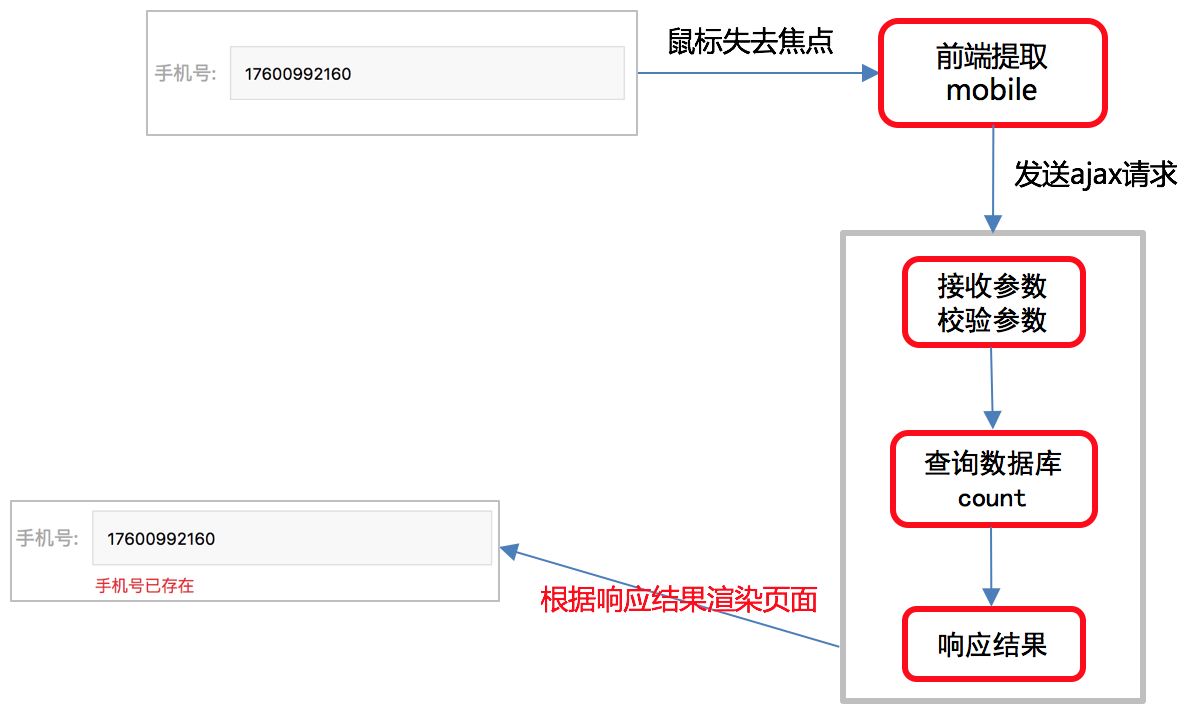
2. 手机号重复注册接口设计和定义
1.请求方式
选项 方案 请求方法 GET 请求地址 /mobiles/(?P1[3-9]\d{9})/count/ 2.请求参数:路径参数
参数名 类型 是否必传 说明 mobile string 是 手机号 3.响应结果:JSON
响应结果 响应内容 code 状态码 errmsg 错误信息 count 记录该用户名的个数 3. 手机号重复注册后端逻辑
class MobileCountView(View):
    """判断手机号是否重复注册"""
    def get(self, request, mobile):
        """
        :param request: 请求对象
        :param mobile: 手机号
        :return: JSON
        """
        count = User.objects.filter(mobile=mobile).count()
        return http.JsonResponse(https://blog.csdn.net/m0_72919230/article/details/{'code': RETCODE.OK, 'errmsg': 'OK', 'count': count})
4. 手机号重复注册前端逻辑
if (this.error_mobile == false) https://blog.csdn.net/m0_72919230/article/details/{
    let url = '/mobiles/'+ this.mobile + '/count/';
    axios.get(url, https://blog.csdn.net/m0_72919230/article/details/{
        responseType: 'json'
    })
        .then(response => https://blog.csdn.net/m0_72919230/article/details/{
            if (response.data.count == 1) https://blog.csdn.net/m0_72919230/article/details/{
                this.error_mobile_message = '手机号已存在';
                this.error_mobile = true;
            } else https://blog.csdn.net/m0_72919230/article/details/{
                this.error_mobile = false;
            }
        })
        .catch(error => https://blog.csdn.net/m0_72919230/article/details/{
            console.log(error.response);
        })
}
验证码
图形验证码
图形验证码逻辑分析
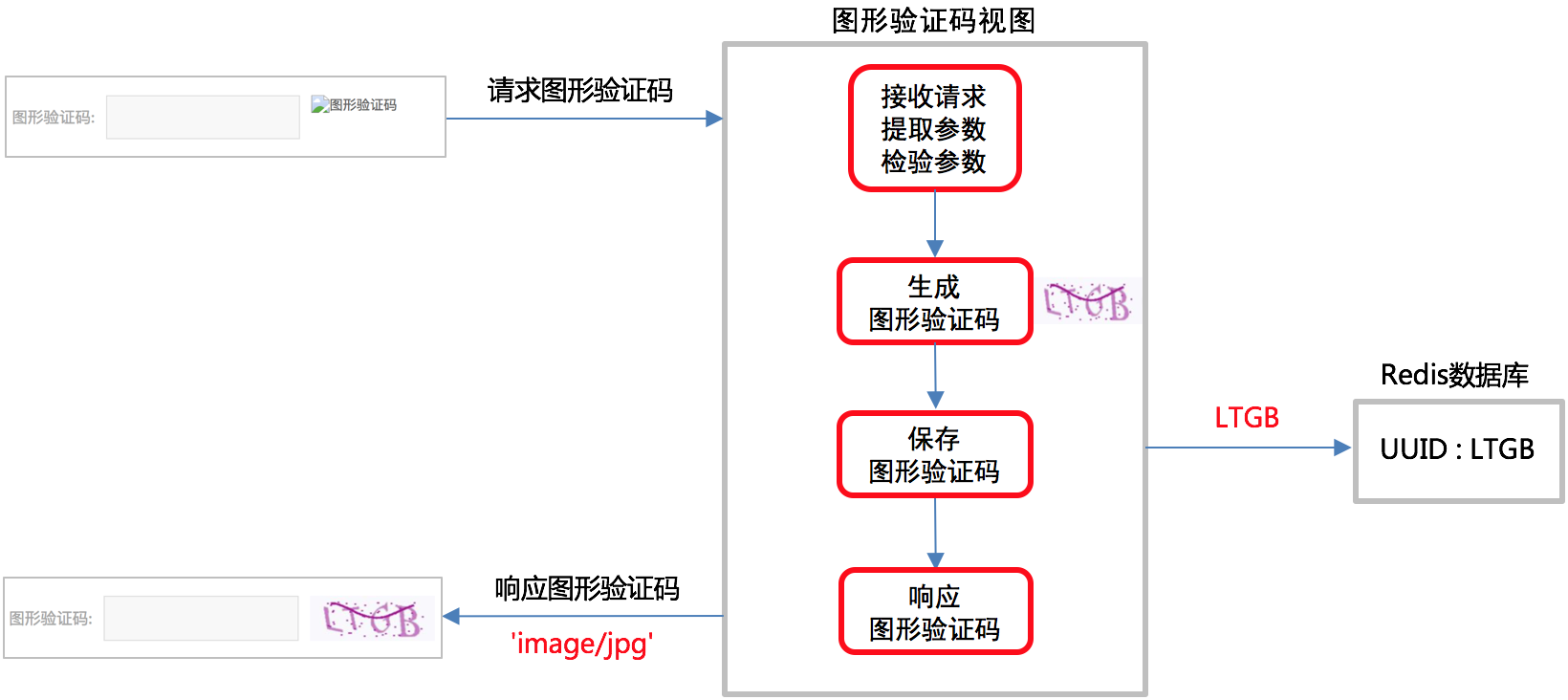
需要新建应用verifications
知识要点
- 将图形验证码的文字信息保存到Redis数据库,为短信验证码做准备。
- UUID 用于唯一区分该图形验证码属于哪个用户,也可使用其他唯一标识信息来实现。
未完待续, 同学们请等待下一期
全套笔记和代码自取在个人博客: https://www.666mao.com/sku?skuId=2
感兴趣的小伙伴可以自取哦,欢迎大家点赞转发~
r_mobile == false) https://blog.csdn.net/m0_72919230/article/details/{
let url = ‘/mobiles/’+ this.mobile + ‘/count/’;
axios.get(url, https://blog.csdn.net/m0_72919230/article/details/{
responseType: ‘json’
})
.then(response => https://blog.csdn.net/m0_72919230/article/details/{
if (response.data.count == 1) https://blog.csdn.net/m0_72919230/article/details/{
this.error_mobile_message = ‘手机号已存在’;
this.error_mobile = true;
} else https://blog.csdn.net/m0_72919230/article/details/{
this.error_mobile = false;
}
})
.catch(error => https://blog.csdn.net/m0_72919230/article/details/{
console.log(error.response);
})
}
# 验证码


# 图形验证码


# 图形验证码逻辑分析


[外链图片转存中...(img-gTfk28oA-1706789118562)]
>
需要新建应用`verifications`


### 知识要点


1. 将图形验证码的文字信息保存到Redis数据库,为短信验证码做准备。
2. UUID 用于唯一区分该图形验证码属于哪个用户,也可使用其他唯一标识信息来实现。

# 未完待续, 同学们请等待下一期
# 全套笔记和代码自取在个人博客: [https://www.666mao.com/sku?skuId=2](https://www.666mao.com/sku?skuId=2)
# 感兴趣的小伙伴可以自取哦,欢迎大家点赞转发~
-
-
- 重要提示:注册成功,重定向到首页
-
猜你喜欢
网友评论
- 搜索
- 最新文章
- 热门文章